
opulentvahin.com

Uncategorized

Amber glass skincare bottles arranged on a white marble surface
Uncategorized

Beauty & Personal Care Wholesale Buying: What Amazon Resellers Need to Know

Beauty and personal care is one of the most competitive categories on Amazon, and also one of the most rewarding for resellers who buy carefully. Shoppers reorder skincare, haircare, and grooming essentials again and again, which makes the category attractive for steady, repeatable wholesale buying. It also carries more compliance and quality-control considerations than many other categories. This guide explains how OpulentVahin approaches buying in this space and what other Amazon resellers should keep in mind. Why Buyers Look at Beauty Inventory Beauty products tend to be lightweight, compact, and easy to ship, which keeps fulfillment costs predictable for FBA sellers. Repeat purchase behavior is strong, so a well-sourced product can support consistent sales rather than one-time spikes. Brand loyalty is also high, meaning shoppers search for specific names, and a reseller who offers a trusted brand with accurate listings is well positioned to win the sale. That said, demand alone is not a strategy. Margins depend on buying cost, Amazon fees, and how many other sellers share the same listing, so every purchasing decision starts with careful math rather than guesswork. Authenticity and Sourcing Integrity In beauty, authenticity is everything. Customers apply these products to their skin and hair, so counterfeit or tampered goods create serious risk for shoppers and for sellers. As a buyer, OpulentVahin focuses on purchasing through traceable wholesale channels and keeping the documentation that shows where inventory came from. Resellers should be prepared to provide invoices to Amazon when asked, so clean records are part of the job, not an afterthought. You can see how this fits our overall workflow on our process page. Expiration Dates, Batch Handling, and Storage Many beauty items carry expiration or best-by guidance, and some are sensitive to heat and light. Smart buyers match order quantities to realistic sell-through so inventory does not sit on a shelf long enough to become a problem. Checking packaging condition on arrival, rotating older stock first, and avoiding overbuying slow movers are simple habits that protect both margin and customer satisfaction. Some products, such as aerosols or items with flammable ingredients, may also face additional shipping or listing requirements, so it is worth confirming category rules before placing an order. Category Approvals and Listing Rules Certain beauty brands and subcategories can require approval before a seller can list. Requirements change over time, so resellers should always verify current rules in Seller Central instead of relying on old information. Listing quality matters as well: accurate titles, correct variations, and ingredient or size details help shoppers choose confidently and reduce returns. Brands we carry also benefit when listings are well maintained, which is part of how we help brands grow through listing optimization, keyword strategy, and MAP compliance. Pricing Discipline and MAP Price competition can erode beauty margins quickly, especially on listings with many sellers. Respecting each brand’s minimum advertised price policy keeps pricing stable and protects the brand relationship, which benefits everyone involved. We treat MAP compliance as a normal part of responsible reselling rather than a restriction. How OpulentVahin Buys We are a Florida-based wholesale buyer and Amazon FBA reseller, and we purchase inventory directly to resell. Our focus is on building long-term buying relationships, verifying sourcing, and presenting products professionally. Learn more about us, browse our beauty and personal care buying page, or get in touch to start a conversation. Frequently Asked Questions Is beauty wholesale buying good for new Amazon sellers? It can be, but it rewards preparation. New sellers should confirm category requirements, keep supplier invoices organized, and start with modest quantities until they understand sell-through. How do resellers avoid counterfeit beauty products? Buy through traceable wholesale sources, keep purchase documentation, and inspect packaging on arrival. Clear records also make it easier to respond if Amazon asks for proof of sourcing. Do beauty products have special shipping rules? Some items, such as aerosols or products with certain ingredients, can have extra handling or shipping requirements. Check current Amazon guidance for the specific product before ordering. Why does MAP matter in personal care? Minimum advertised price policies keep pricing consistent across sellers, protect brand value, and help resellers avoid damaging price wars on shared listings.
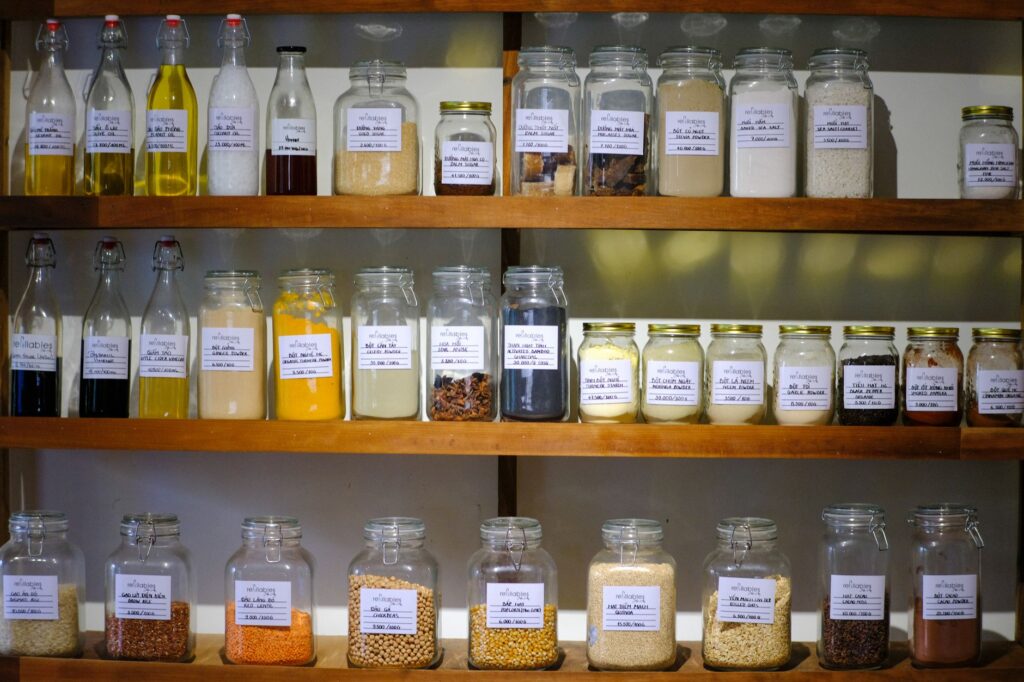
Glass jars of pantry ingredients neatly arranged on wooden shelves
Uncategorized

Grocery & CPG Wholesale Buying: A Guide for Amazon Sellers

Grocery and consumer packaged goods (CPG) are among the most consistent categories on Amazon. Shoppers reorder pantry staples, specialty salts, teas, and snacks on a predictable rhythm, which makes the category attractive for any retailer that buys inventory at wholesale and resells it. That same consistency, however, comes with stricter rules than most categories. Expiration dates, storage conditions, category approval, and brand expectations all shape how a disciplined Amazon reseller sources grocery products. This guide walks through how OpulentVahin approaches grocery and CPG buying, and what brands can expect when we carry their products. Why the Category Plays by Different Rules Unlike electronics or home goods, most grocery items are consumable and date-sensitive. Amazon applies additional requirements to food and beverage listings, including category approval for sellers, expiration-date labeling on inventory sent to fulfillment centers, and minimum remaining shelf life when units arrive. Products that fall short can be refused at check-in or removed from sellable inventory, which turns a good purchase into a costly write-off. For a reseller, that means sourcing decisions start with the calendar, not just the price sheet. Seasonality matters as well. Chocolate, gummies, and other heat-sensitive items are subject to Amazon’s meltable-inventory restrictions during warmer months, so a buyer has to plan purchase timing around when those products can actually be received and stored. Experienced grocery buyers build these constraints into their forecasts from the beginning. What Responsible Sourcing Looks Like At OpulentVahin, we buy grocery and CPG inventory directly from brands and their authorized supply chains, never from unverifiable liquidation lots. Clean sourcing protects the brand’s reputation and protects our seller account, since Amazon can request invoices to confirm authenticity. You can read more about how we evaluate and onboard products on our grocery and CPG wholesale buying page. Shelf life and lot control Before placing an order, we confirm production dates and expected shelf life so that inventory arrives at Amazon with plenty of sellable time remaining. We size orders to realistic sales velocity rather than chasing volume discounts that would leave product aging in a warehouse. Lot and expiration information is tracked through receiving so that the oldest units sell first. Packaging and prep Grocery items are often heavier, more fragile, or more prone to leaking than other categories. Proper case packs, bagging for liquids or powders, and clear expiration labeling reduce damage claims and negative customer reviews. Getting prep right is one of the simplest ways a reseller protects the brand experience on the shelf a customer actually sees: the product detail page. How a Reseller Helps Grocery Brands Grow Buying inventory is only half the relationship. Once we carry a brand, our job is to sell it well. That includes improving listing content, researching the search terms real shoppers use for the product, keeping prices consistent with the brand’s minimum advertised price policy, and sharing sales reporting so the brand can see how its products perform. Our approach to helping brands grow explains this in more detail. Grocery shoppers are loyal once they find a product they like, so in-stock rate is critical. A stockout on a pantry staple can push a repeat customer toward a competing brand. We plan replenishment around sell-through so that listings stay available, which protects the brand’s ranking and review momentum over time. Questions to Ask Before Choosing a Grocery Reseller Brands evaluating an Amazon reseller should ask how the reseller handles expiration dates, whether it respects MAP pricing, how it sources (directly or through gray-market channels), and what reporting it provides. A reliable buyer will answer these questions clearly and back them up with a documented process. Ours is outlined step by step on our process page. If you represent a grocery or CPG brand and want a retail partner that buys your products outright and focuses on growing them responsibly on Amazon, we would be glad to get in touch and talk through fit. Frequently Asked Questions Do Amazon sellers need approval to sell grocery products? Yes, grocery and gourmet food is a category where Amazon generally requires sellers to be approved before listing many products. Approval typically involves showing invoices from legitimate suppliers and meeting Amazon’s food safety and labeling requirements. Why does shelf life matter so much when buying grocery wholesale? Amazon requires expiration-dated products to arrive with meaningful shelf life remaining and removes units as they approach expiration. Buying with shelf life in mind prevents rejected shipments, write-offs, and customers receiving products that are close to their date. How does a wholesale buyer protect a grocery brand on Amazon? A responsible buyer sources directly from the brand or its authorized supply chain, follows MAP pricing, preps products carefully, and keeps listings in stock. Together these steps protect the brand’s pricing, reviews, and search ranking. What kinds of grocery products does OpulentVahin buy? We focus on shelf-stable grocery and CPG items with steady repeat demand, such as specialty salts, teas, snacks, and pantry staples. Every product is evaluated for shelf life, prep requirements, and fit with Amazon’s category rules before we place an order.

Uncategorized

What to Look for in a Wholesale Account Application Process

Opening a new wholesale account is rarely as simple as filling out a form and waiting for an invoice. Brands that sell through Amazon FBA resellers have learned to be careful about who they extend credit and inventory to, and a serious buyer should expect a process that looks more like a background check than a checkout flow. Understanding what that process typically involves helps a buyer prepare the right paperwork, ask the right questions, and recognize when an application is being handled the way it should be. Why Brands Are Selective About Who They Sell To Every brand that approves a new wholesale account is trusting that buyer to represent its products responsibly online. A reseller who lists at inconsistent prices, ships damaged inventory, or lets stock sit past its shelf life can do real damage to a brand’s reputation on Amazon, regardless of how the relationship started. That is why most legitimate suppliers run a real vetting process rather than accepting every applicant. Buyers who take the time to learn more about how an established reseller operates tend to have an easier time getting approved, simply because they know what a brand is actually screening for. Documentation That Signals a Serious Buyer A credible wholesale application usually starts with the basics: a valid business license, a resale or reseller’s permit for the states where the buyer operates, and a completed W-9 or equivalent tax form. Brands also commonly ask for a copy of the buyer’s Amazon seller account details, since this lets them confirm the account is in good standing and review its selling history. Missing or inconsistent documentation is one of the fastest ways an application gets delayed or declined, so having this paperwork organized before reaching out saves time on both sides. Sales History and Channel Transparency Many brands will ask where and how a buyer plans to sell their products, including which marketplaces are involved and roughly what volume the buyer expects to move on a recurring basis. This is not just due diligence, it is also how a brand decides whether a new account fits its existing distribution structure without creating channel conflict or price erosion. Being upfront about sales channels and realistic about volume tends to build more trust than an inflated pitch. Questions Worth Asking Before You Sign The application process runs both directions. A buyer evaluating a new supplier relationship should be asking about minimum order quantities, standard lead times, return and damage policies, and how the brand monitors pricing across its authorized sellers. A brand that cannot clearly explain its MAP policy, or that seems unconcerned about unauthorized sellers undercutting its pricing, is often a sign of a less mature partner. Buyers should also ask how often account terms are reviewed, since the strongest wholesale relationships tend to evolve as order volume and trust grow over time. How a Verified Buyer Approaches Every New Account Coming to the table with clean documentation, a clear sales history, and specific questions about pricing and compliance tends to move an application forward faster than any amount of follow-up emails. It also sets the tone for the relationship that follows. OpulentVahin treats every new supplier application this way, building account histories, sales data, and compliance practices that stand up to scrutiny, which is part of how the sourcing and buying process is structured from the very first inquiry. Brands considering a new wholesale partner, or Amazon sellers looking to understand how a reputable buyer gets approved, are welcome to get in touch to talk through what a real application and account review looks like in practice.

Uncategorized

Amazon Listing Optimization: How the Right Wholesale Partner Helps Brands Grow

Inventory alone does not move product on Amazon. Two brands can carry nearly identical items, ship from the same region, and price within a dollar of each other, yet one sells at three times the rate of the other. The difference almost always comes down to how well the listing itself is built, and how disciplined the pricing behind it stays over time. Inventory Alone Doesn’t Move Product Amazon shoppers rarely browse categories the way they browse a physical shelf. They search specific terms, compare a handful of results, and decide within seconds. A wholesale partner who only manages stock levels is solving half the problem. The other half is making sure the right shoppers find the listing at all, and that what they see when they land on it earns the click. Keyword Strategy Starts With the Buyer, Not the Algorithm Good keyword research is not about stuffing a title with every term a product could theoretically match. It starts with understanding how real buyers search, what language they use, and which of those terms convert once someone actually lands on the page. Titles, bullet points, and backend search terms should all be built around that research, not guesswork. Pricing Discipline Is a Growth Lever, Not Just a Rule Brands sometimes treat MAP compliance and listing optimization as separate concerns. In practice they reinforce each other. A well-optimized listing that is undercut by unauthorized, underpriced inventory loses the Buy Box regardless of how strong the copy is. Protecting price and improving the listing have to happen together to actually move sales. Reporting That Actually Tells Brands Something Sales growth reporting should tell a brand more than units sold. Which keywords are driving traffic, how conversion rate is trending, and where a listing is losing shoppers in the funnel are the numbers that let a brand make real decisions about where to invest next. What This Looks Like in Practice at OpulentVahin As a Florida-based Amazon FBA reseller, we build listing optimization, keyword strategy, and MAP monitoring into how we support every brand we carry, alongside the reliable wholesale purchasing that got us in the door in the first place. Our How We Help Brands Grow page walks through the full approach, and our Our Process page covers how we work with new brand partners from the start. Questions are always welcome, get in touch any time.

Uncategorized

What Is MAP Compliance and Why It Protects Your Brand

Ask any experienced Amazon seller what quietly kills a listing’s margin over time, and MAP compliance usually comes up. Minimum Advertised Price policies are one of the least glamorous parts of running a brand on Amazon, and also one of the most important. A brand that ignores it, or partners with retailers who ignore it, tends to watch its margins erode long before anyone traces the cause back to price discipline. The Real Cost of Unchecked Price Erosion When even one unauthorized or careless seller lists a product below the agreed floor price, it does not stay isolated. Other sellers on the same listing feel pressure to match, the Buy Box shifts toward the lowest price rather than the most reliable seller, and the brand’s perceived value on the platform starts to slide. What began as one seller cutting corners can turn into a race to the bottom that the brand never approved and cannot easily reverse. How MAP Policies Actually Work A MAP policy sets a floor for advertised pricing, not a fixed retail price. Authorized sellers can still run promotions, bundle products, or compete on service and reviews, they simply cannot advertise below the agreed minimum. Enforcement is what separates a policy that works from one that exists only on paper. That means actively monitoring listings, flagging violations, and being willing to cut off wholesale accounts that will not hold the line. Why the Right Retail Partner Matters as Much as the Policy Itself A written MAP policy is only as strong as the retailers enforcing it in practice. Brands are often surprised to learn how much of their pricing integrity depends on choosing wholesale partners who actually monitor the marketplace day to day, rather than partners who simply place an order and disappear until the next one. How OpulentVahin Supports MAP Compliance for the Brands We Carry As a Florida-based Amazon FBA reseller, we treat MAP discipline as part of the value we bring to every brand relationship, not an afterthought. We monitor pricing across the listings we manage and flag issues early, because a brand’s long-term growth on Amazon depends on it. If MAP enforcement and listing health are priorities for your brand, our How We Help Brands Grow page has more detail, and you are welcome to get in touch with our team directly.

Uncategorized

How Amazon FBA Sellers Find a Reliable Wholesale Distributor

Every Amazon FBA seller hits the same wall eventually: marketplace research only takes you so far, and finding a wholesale source you can actually trust takes real vetting, not a five-minute Google search. The suppliers who look best on paper are not always the ones who show up reliably at replenishment time, and the cheapest quote is rarely the one that protects your listing long term. Start With Verification, Not Price Before comparing unit costs, confirm the supplier is actually authorized to sell the brands they are offering. Ask for documentation: a letter of authorization, a distributor agreement, or direct confirmation from the brand itself. A supplier who hesitates on this question, or who cannot explain where their inventory originates, is a bigger risk than a slightly higher price point. Counterfeit and diverted inventory is one of the fastest ways to lose Amazon selling privileges, and it is almost always traceable back to a sourcing shortcut taken early on. Ask About MAP Enforcement Before You Ask About Margin A wholesale partner who actively monitors Minimum Advertised Price (MAP) is signaling something important: they care about the health of the listings they supply, not just the volume they move. Sellers who buy from MAP-disciplined suppliers tend to see steadier margins over time, because the marketplace does not get flooded with underpriced, unauthorized inventory competing on the same listing. Look for a Partner Who Understands Amazon, Not Just Inventory The most valuable wholesale relationships go beyond shipping boxes. A supplier who understands Amazon’s search and ranking mechanics, who can speak to keyword strategy or listing structure, brings more to the table than one who only tracks SKUs and pallet counts. That kind of partner is thinking about your sell-through rate, not just their own shipment schedule. What We Look For in Every Wholesale Relationship OpulentVahin operates as a Florida-based Amazon FBA reseller, which means we sit on the buying side of this exact process every day. We vet every brand relationship for authenticity and MAP discipline before it ever reaches our catalog, and we apply the same standards we would want from a supplier of our own. If you are a brand exploring a wholesale relationship with a retail partner who takes listing quality as seriously as inventory quality, our How We Help Brands Grow page walks through how we approach that partnership, and our About Us page has more on who we are. You can also get in touch directly with questions about a wholesale account application.

Scroll to Top